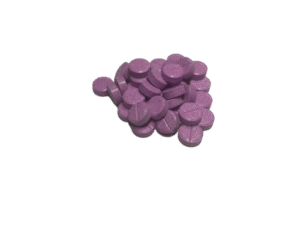

Description
Premium 3-CEC Crystal: Industrial Grade Research Chemical for Advanced Applications
Product Information Table
Introduction
3-CEC Crystal, commonly associated with the synthetic cathinone category, is a compound of interest in forensic science, toxicology, public health monitoring, and controlled-substance regulation. Synthetic cathinones are often studied because of their appearance in illicit drug markets, unpredictable potency, and potential health risks.
Biosynlab presents this information for educational, analytical, and compliance-focused purposes only. This page does not promote buying, selling, personal use, distribution, or unauthorized handling of 3-CEC Crystal.
What Is 3-CEC Crystal?
3-CEC is commonly understood as 3-Chloroethcathinone, a substituted cathinone compound. Synthetic cathinones are structurally related to cathinone, a stimulant compound found naturally in the khat plant, but many synthetic versions are laboratory-made and may carry significant legal and safety risks.
For beginners, “crystal” refers to the physical appearance of the material. It does not indicate purity, safety, legality, or suitability for use. Identification should only be performed by qualified laboratories using validated analytical methods.
Laboratory and Forensic Analysis
Licensed laboratories may analyze suspected 3-CEC samples to confirm identity, detect impurities, and support forensic or regulatory reporting. Common analytical techniques include:
- GC-MS for forensic compound identification
- LC-MS/MS for sensitive toxicology analysis
- HPLC for separation and purity review
- FTIR for structural screening support
- NMR spectroscopy for advanced chemical characterization
These methods help laboratories distinguish 3-CEC from related synthetic cathinones, adulterants, or mislabeled compounds.
Compliance and Legal Considerations
3-CEC and related synthetic cathinones may be controlled under drug laws, analog laws, psychoactive substance laws, or temporary class restrictions depending on the country or region.
Organizations handling substances in this category should confirm:
- Local and national legal status
- Licensing or authorization requirements
- Secure storage procedures
- Chain-of-custody documentation
- Staff safety training
- Waste disposal protocols
- Institutional approval before handling
In the USA, UK, and Europe, regulations around synthetic cathinones are often strict and can change quickly.
Responsible Safety Disclaimer
3-CEC Crystal is not for human consumption, animal consumption, medical use, recreational use, food use, household use, or general retail sale. Unauthorized purchase, possession, distribution, or handling may be illegal and dangerous.
Biosynlab does not encourage misuse or unauthorized access to controlled or restricted substances. This content is intended only for education, forensic awareness, laboratory safety, and regulatory understanding.